

Practical Boat Winterizing Tips for Seasonal Boat Care Tips
As the boating season winds down, preparing your boat for winter is essential to protect your investment and ensure it’s ready for the next adventure. Proper winterizing prevents damage caused by freezing temperatures, moisture, and pests. This guide offers practical, easy-to-follow steps to help you care for your boat during the off-season.
Essential Seasonal Boat Care Tips for Winterizing
Winterizing your boat involves more than just covering it with a tarp. It requires a thorough inspection and maintenance routine to safeguard every component. Here are some key seasonal boat care tips to get started:
Clean the boat thoroughly: Remove dirt, salt, and grime from the hull, deck, and interior. Use marine-safe cleaners to avoid damaging surfaces.
Drain water systems: Empty all water tanks, pipes, and pumps to prevent freezing and cracking.
Change the oil and filters: Old oil contains contaminants that can damage the engine during storage.
Stabilize the fuel: Add a fuel stabilizer to prevent fuel degradation and gum buildup.
Remove the battery: Store it in a cool, dry place and keep it charged periodically.
Inspect and lubricate moving parts: Hinges, steering cables, and throttle controls should be greased to avoid rust and stiffness.
Following these steps will help maintain your boat’s condition and reduce costly repairs in spring.
Protecting the Engine and Fuel System
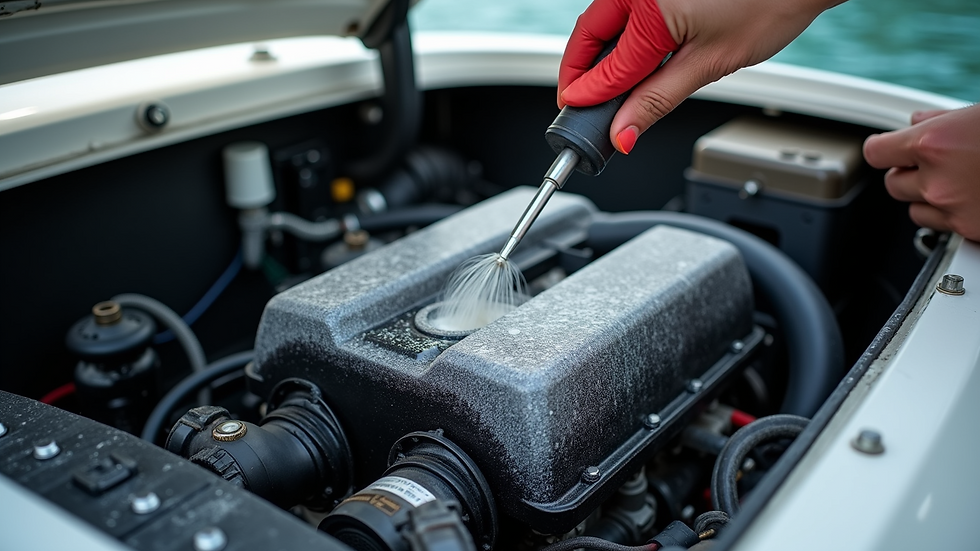
The engine is the heart of your boat, and winterizing it properly is crucial. Start by flushing the engine with fresh water to remove salt and debris. For inboard engines, run antifreeze through the cooling system to prevent freezing damage. Outboard motors should be tilted up and drained according to the manufacturer’s instructions.
Fuel system care is equally important. After adding a fuel stabilizer, run the engine for a few minutes to circulate the treated fuel. This prevents varnish and corrosion inside the fuel lines and carburetor. Also, inspect fuel lines for cracks or leaks and replace them if necessary.
Regularly check the spark plugs and replace them if worn. This simple step ensures easier starting when the boating season returns.
Winter Storage Options and Best Practices
Choosing the right storage method depends on your location, boat type, and budget. Here are some common options:
Indoor storage: Offers the best protection from weather and pests. Ideal for smaller boats or those with trailers.
Covered outdoor storage: Use a high-quality, breathable cover to shield your boat from snow, rain, and UV rays.
Shrink wrapping: Provides a tight seal around the boat, preventing moisture buildup and debris accumulation.
When storing your boat outdoors, ensure it is elevated on blocks or a trailer to avoid water pooling underneath. Also, open hatches slightly to allow air circulation and reduce mold growth.

Interior and Electrical System Care
Moisture and cold can wreak havoc on your boat’s interior and electrical components. To protect these areas:
Remove all cushions, fabrics, and electronics to dry and store indoors.
Use moisture absorbers or dehumidifiers inside the cabin to prevent mold and mildew.
Inspect wiring for corrosion or damage and apply dielectric grease to connectors.
Disconnect and remove batteries, storing them in a cool, dry place with periodic charging.
Taking these precautions will keep your boat’s interior fresh and electrical systems functional.
Preparing the Hull and Exterior for Winter
The hull and exterior surfaces face harsh conditions during winter. Proper care will preserve their appearance and structural integrity:
Wash and wax the hull to create a protective barrier against moisture and UV damage.
Inspect the hull for cracks, blisters, or other damage and repair as needed.
Remove any marine growth or barnacles to prevent deterioration.
Check and lubricate all exterior hardware, including cleats, rails, and latches.
By maintaining the hull and exterior, you ensure your boat remains seaworthy and visually appealing.
Getting Ready for Spring: Final Checks
Before storing your boat for the winter, perform a final walkthrough to confirm all steps are complete. Double-check that:
All water is drained from the engine and plumbing.
Fuel stabilizer has been added and circulated.
Battery is removed and stored properly.
Boat cover or shrink wrap is secure and intact.
Safety equipment is removed or protected.
Keeping a checklist can help you stay organized and avoid missing critical tasks.
For more detailed boat winterizing tips, consult your boat’s owner manual or a professional marine technician.
Winterizing your boat with care and attention will save you time, money, and frustration when the next boating season arrives. Taking these practical steps ensures your vessel stays in top condition year-round.


Comments